Nesting Elements
Pattern, done gently: rugs, stripes and the 60-30-10 rule
How to bring pattern into a room without it shouting, plus the honest truth about washable rugs.
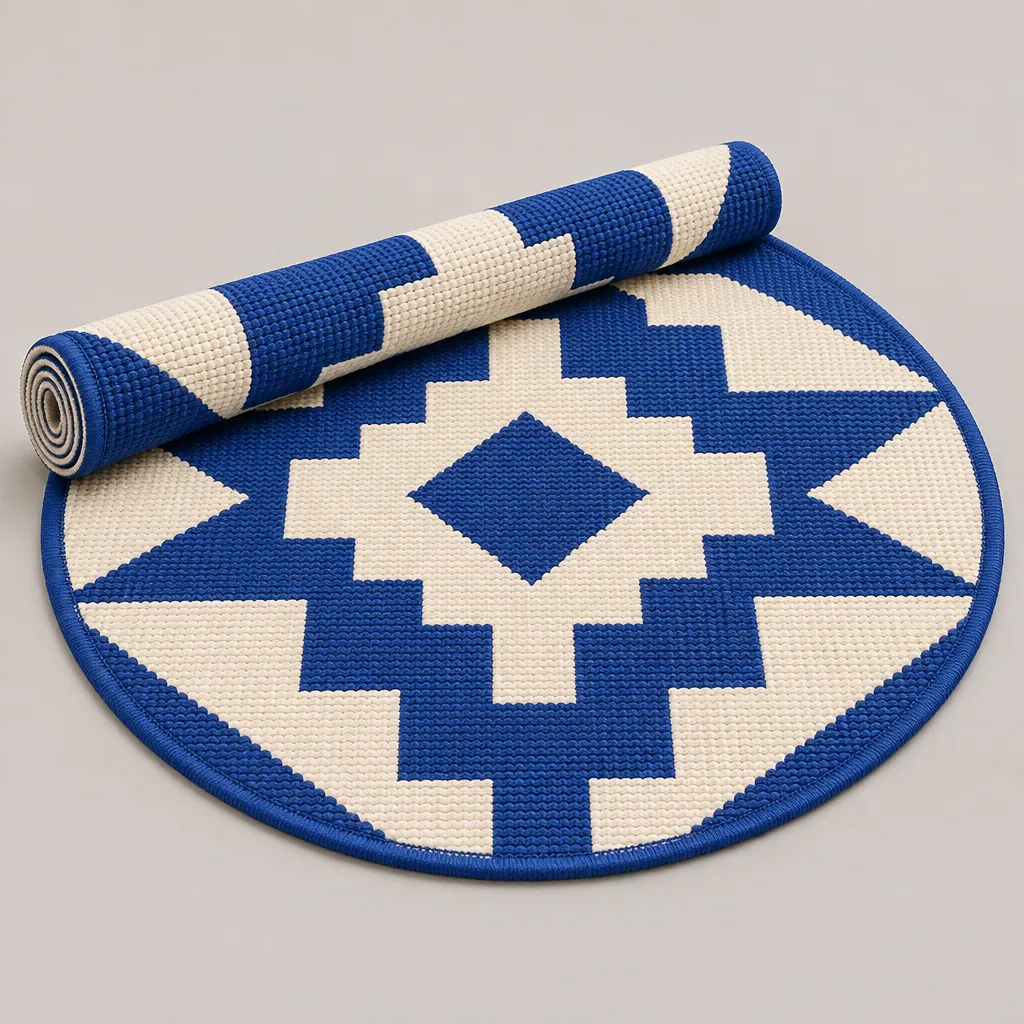
AI concept render.
The short version
Mix one large, one medium and one small pattern. Keep them in the same color family. Washable rugs are great in kitchens and dining spaces, but use a pad.
Plain rooms are easy to get right and a little easy to forget. A pattern or two gives a room personality. The trick is choosing patterns that talk to each other instead of over each other.
Vary the scale
The simplest rule for mixing patterns: one large, one medium, one small. A big geometric rug, a medium stripe on a pillow, a small print on a napkin or a throw. Patterns of the same size compete. Patterns of different sizes take turns.
Keep a shared color
The 60-30-10 rule is a good guide. Around 60 percent of the room in your main color (walls, big furniture), 30 percent in a second color (rug, curtains, a chair), and 10 percent in an accent (pillows, art, a vase). If every pattern pulls from those same three colors, they'll look like they belong together.
Let the rug lead
A rug is the largest pattern most rooms will ever have, so start there. In a dining nook or kitchen, a round rug echoes a round table and keeps chair legs from catching on corners.
Are washable rugs worth it?
For kitchens, dining areas, kids' rooms and pet homes, usually yes. The good: you can clean spills properly rather than blotting forever. The tradeoffs:
- They're thin. Most need a rug pad to feel comfortable and stay put.
- Check your washer. A large rug may not fit a standard machine. Look at the weight and the maker's washing instructions before you order.
- Colors can fade over many washes, especially in hot water. Wash cool.
Finish with one handmade piece
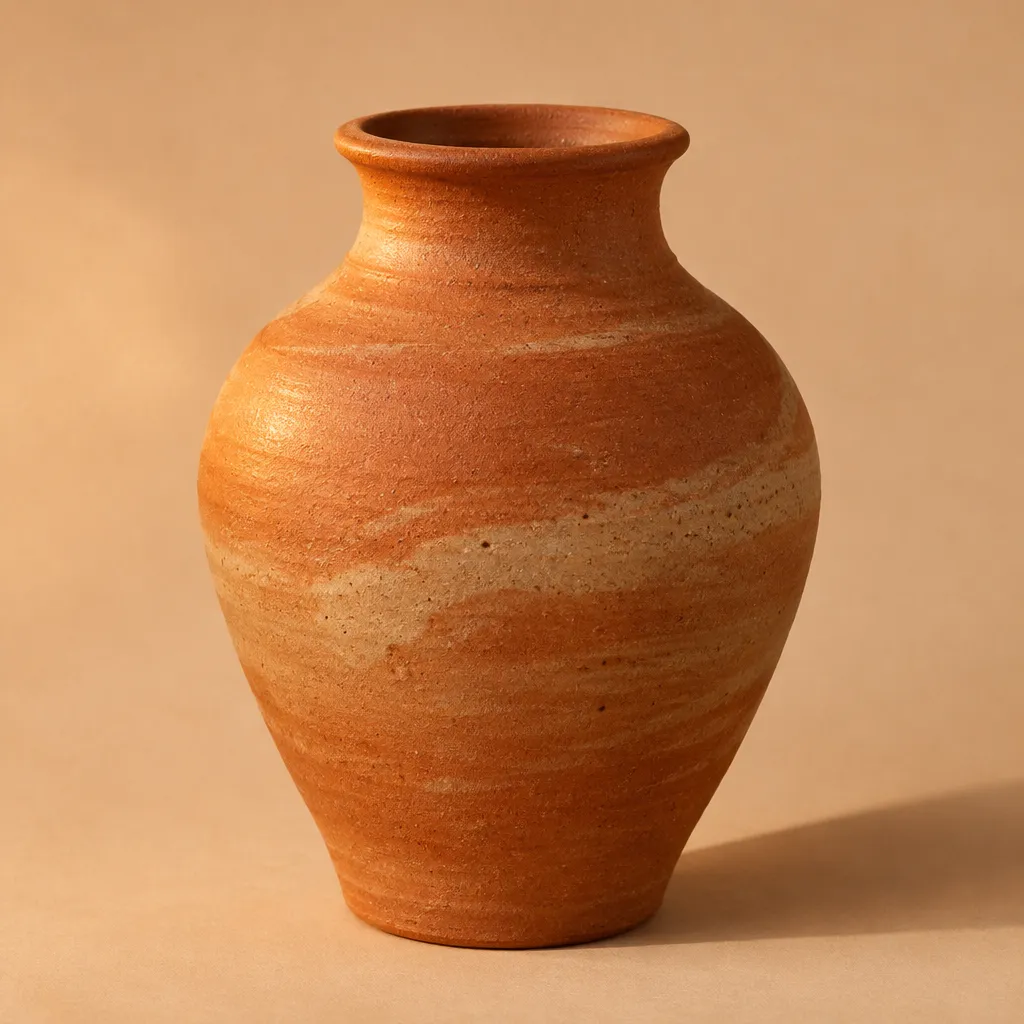
A patterned room is a good home for something plain and textural, like terracotta.