Nesting Elements
Brown is the new neutral
Chocolate, mocha and tobacco are replacing grey. How to use brown without the room going heavy.
AI concept render.
The short version
Use brown where you used to use grey: sofa, rug, a painted wall. Keep one light color in the room so it doesn't sink. Add metal or stone for contrast.
For about fifteen years, grey was the safe answer for everything from sofas to kitchen cabinets. That's over. Warm browns, from milky mocha to deep chocolate, have become the neutral people reach for first. Brown does what grey promised: it goes with almost everything. It just does it warmly.
The browns worth knowing
- Mocha and latte. Soft, milky browns. The easiest swap for a grey or beige wall.
- Tobacco and caramel. Brown with orange in it. Great in leather, velvet and wood stain.
- Chocolate. Deep and rich. Best on one big piece (a sofa, a painted bookcase) or a whole small room.
- Oxblood. Brown leaning red. A good accent color when you want warmth with a little drama.
How much brown a room can take
More than you think, as long as you vary the texture. A brown velvet chair, a brown wool rug and a brown wood table read as rich and layered because each surface catches light differently. What makes a brown room feel heavy is the same flat finish everywhere.
Keep one light element in the room: cream curtains, a pale rug or a white ceiling. That gives the eye somewhere to rest.
What to pair it with
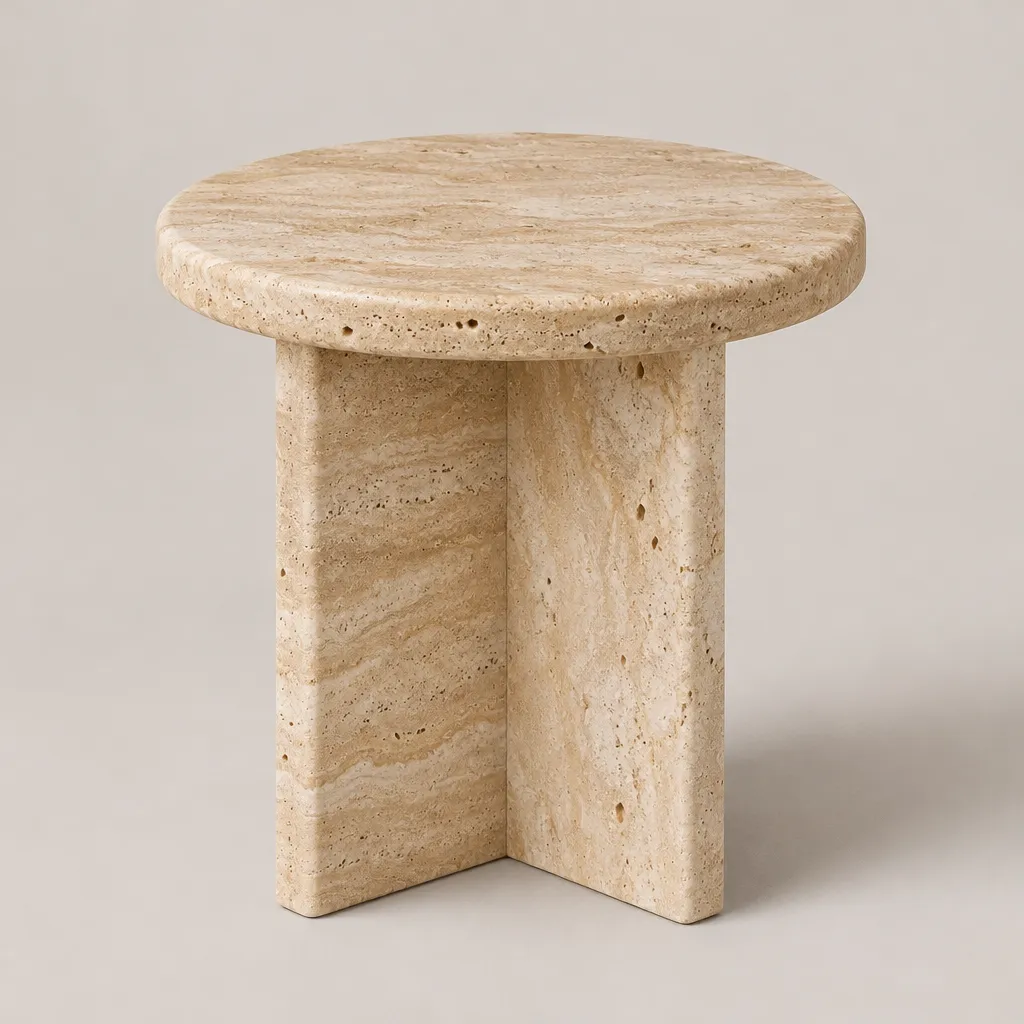
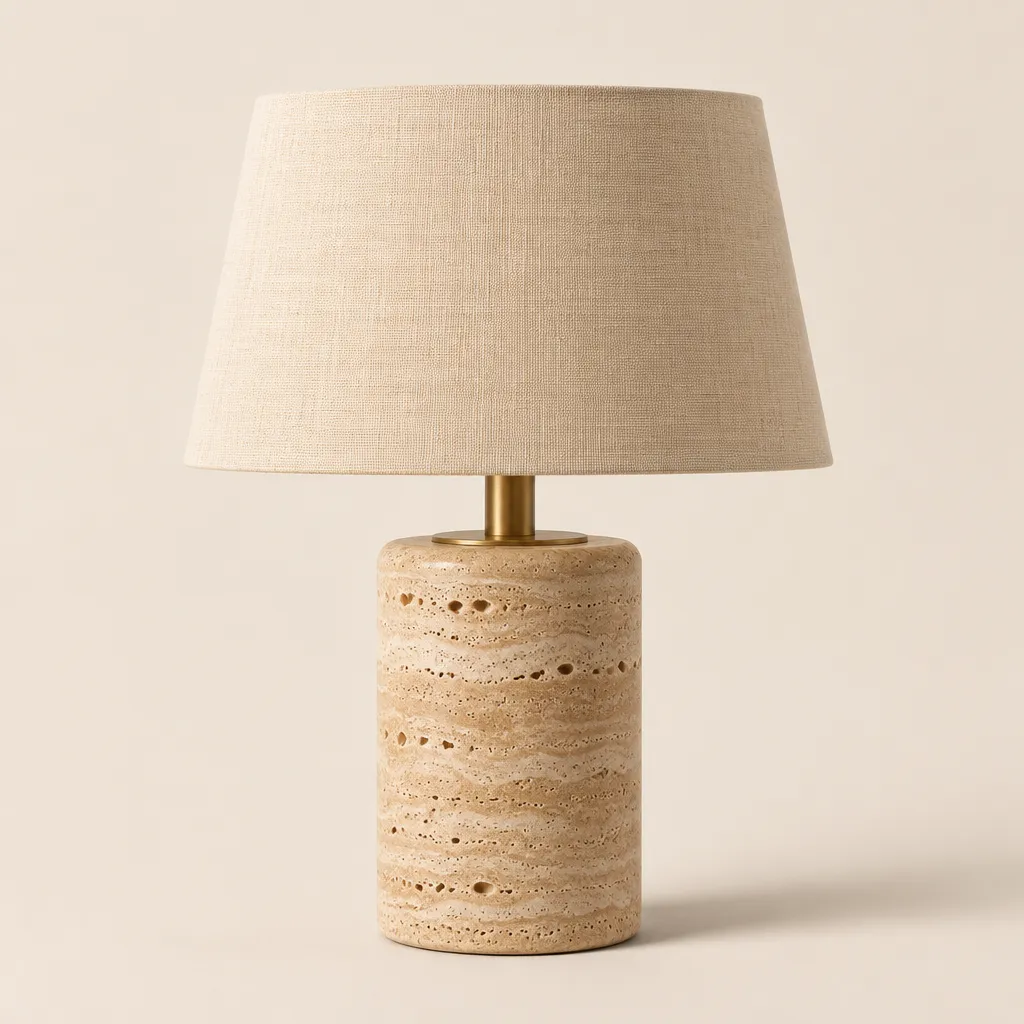
Brown loves brass, travertine, cream and olive green. For a sharper look, try it with cobalt or a clean white. It's less happy next to cool grey, which can make both colors look muddy.
The cheapest way to try it
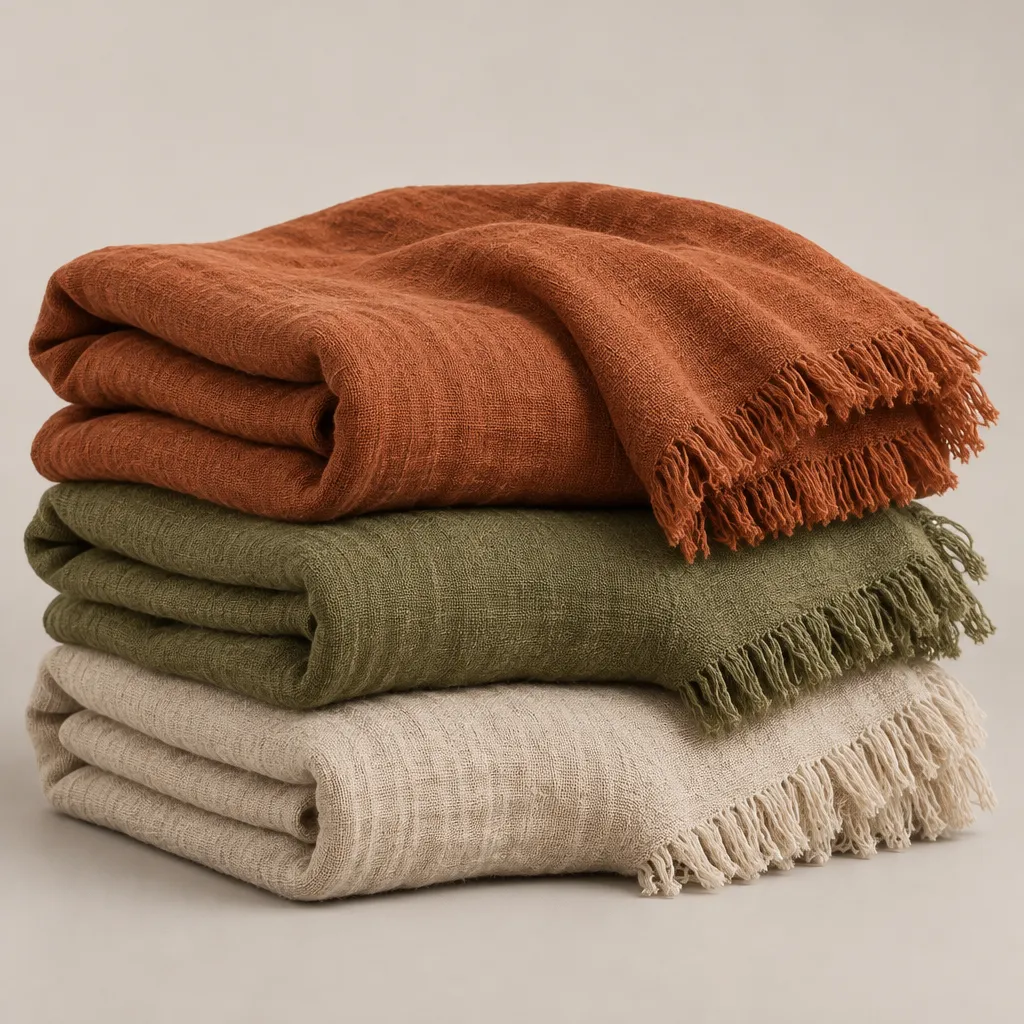
A throw and a lamp. If you live with them for a month and still like them, move on to a chair or paint.