 Nesting Elements
Know what you're buying
Six materials that make up most rooms: what each one costs, how to care for it, how to spot a fake, and the pieces we'd buy. Prices are typical U.S. retail ranges for decor-sized pieces.
At a glance
Wood
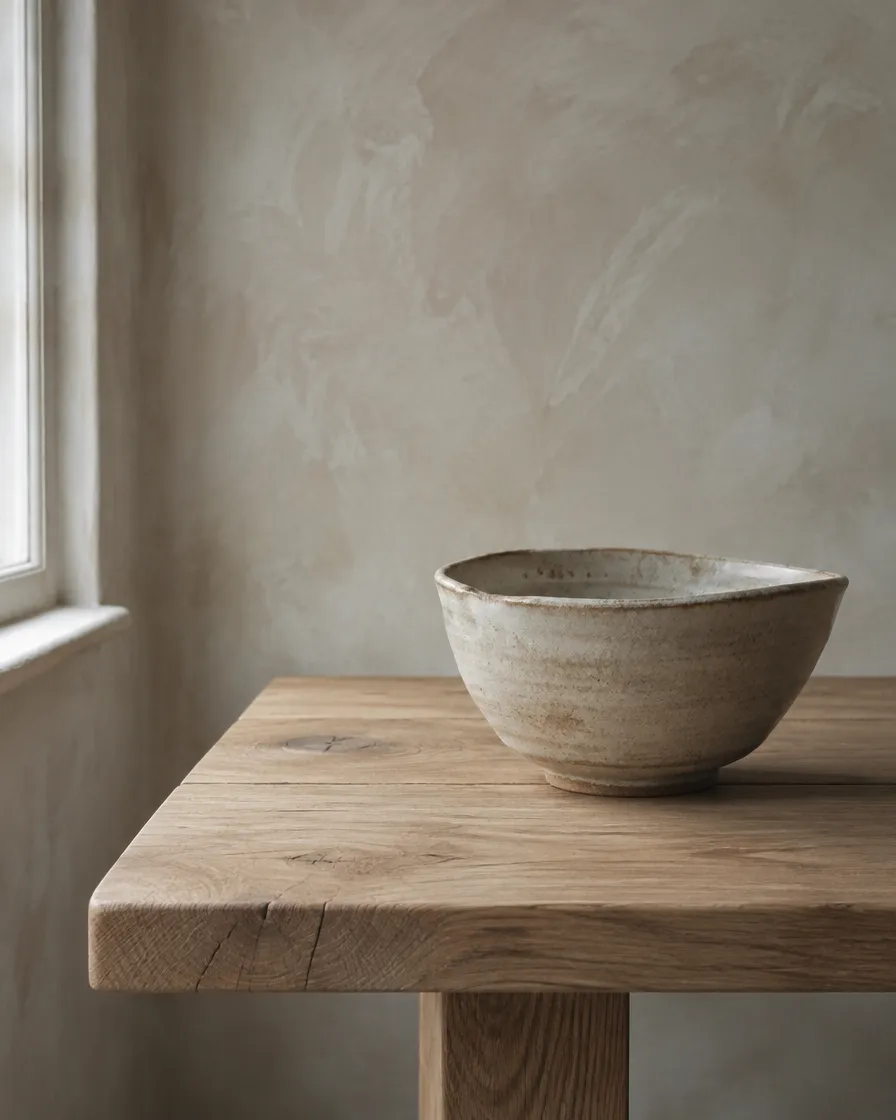
Oak, walnut, ash and maple. The material that warms up every other one in the room.
Know the types
- Solid wood: one material all the way through; can be sanded and refinished.
- Veneer: a thin real-wood layer over plywood or MDF. Stable and cheaper, but can't be sanded deeply.
- Laminate: a printed photo of wood. Fine for budget pieces, but it isn't wood.
Care
- Dust with a dry, soft cloth.
- Use coasters and wipe spills quickly.
- Re-oil oiled finishes once or twice a year.
- Keep out of strong direct sun to limit fading.
Spot a fake
- Check the edges: on solid wood the grain wraps around the corner.
- Identical, repeating grain means a printed laminate.
- Solid pieces are noticeably heavy for their size.
Our wood picks
Shop allWe're testing wood pieces now. Top picks land with the next Index update.
Stone
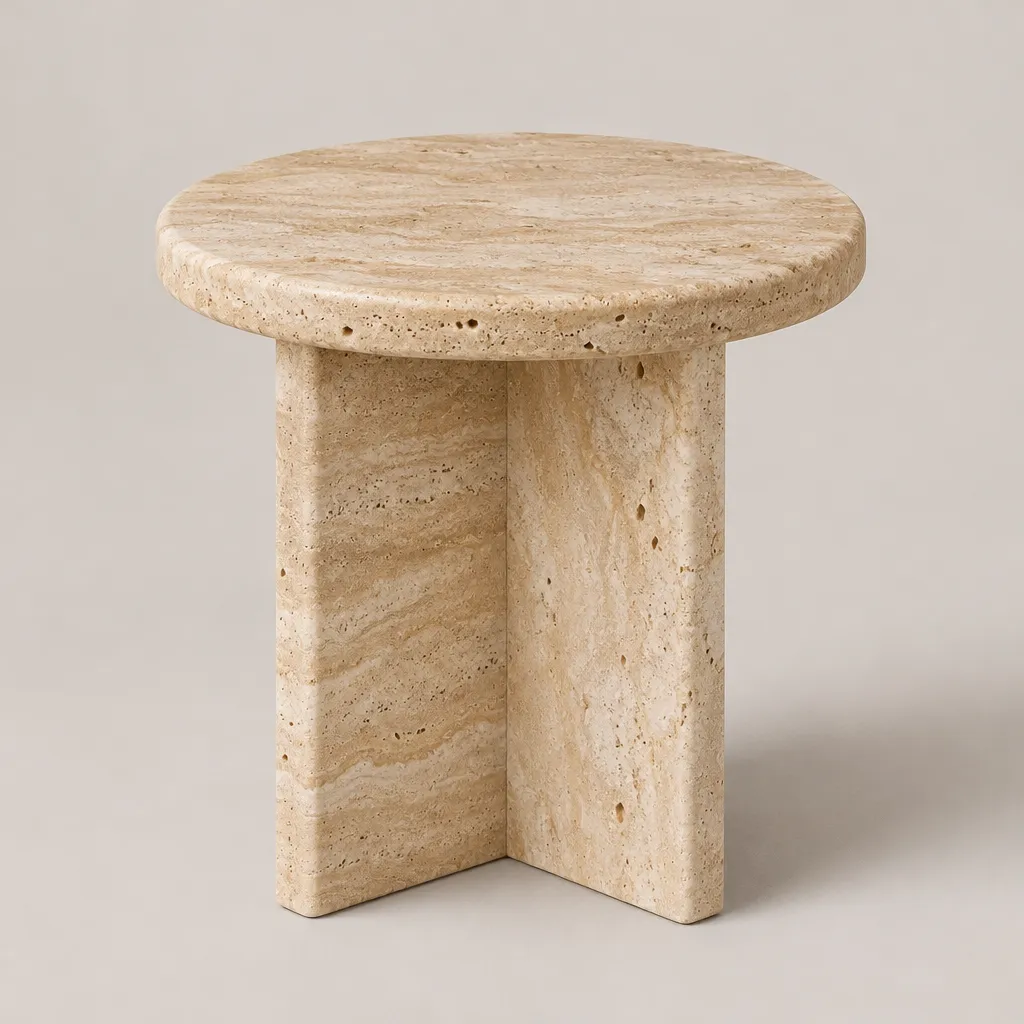
Travertine, marble and terrazzo. Cool, heavy and naturally one-of-a-kind.
Know the types
- Travertine: warm, pitted limestone. "Filled" versions have the holes filled for a smoother top.
- Marble: denser and veined; polished or honed.
- Terrazzo: stone chips set in cement or resin.
Care
- Marble and travertine are calcium-based, so acids like lemon, wine and vinegar etch them.
- Use a pH-neutral cleaner, never vinegar.
- Reseal regularly; many makers suggest about once a year.
- Always use coasters.
Spot a fake
- Real stone feels cold and is very heavy.
- The pattern never repeats exactly.
- Resin "faux travertine" is lighter and feels warmer to the touch.
Our stone picks
Shop all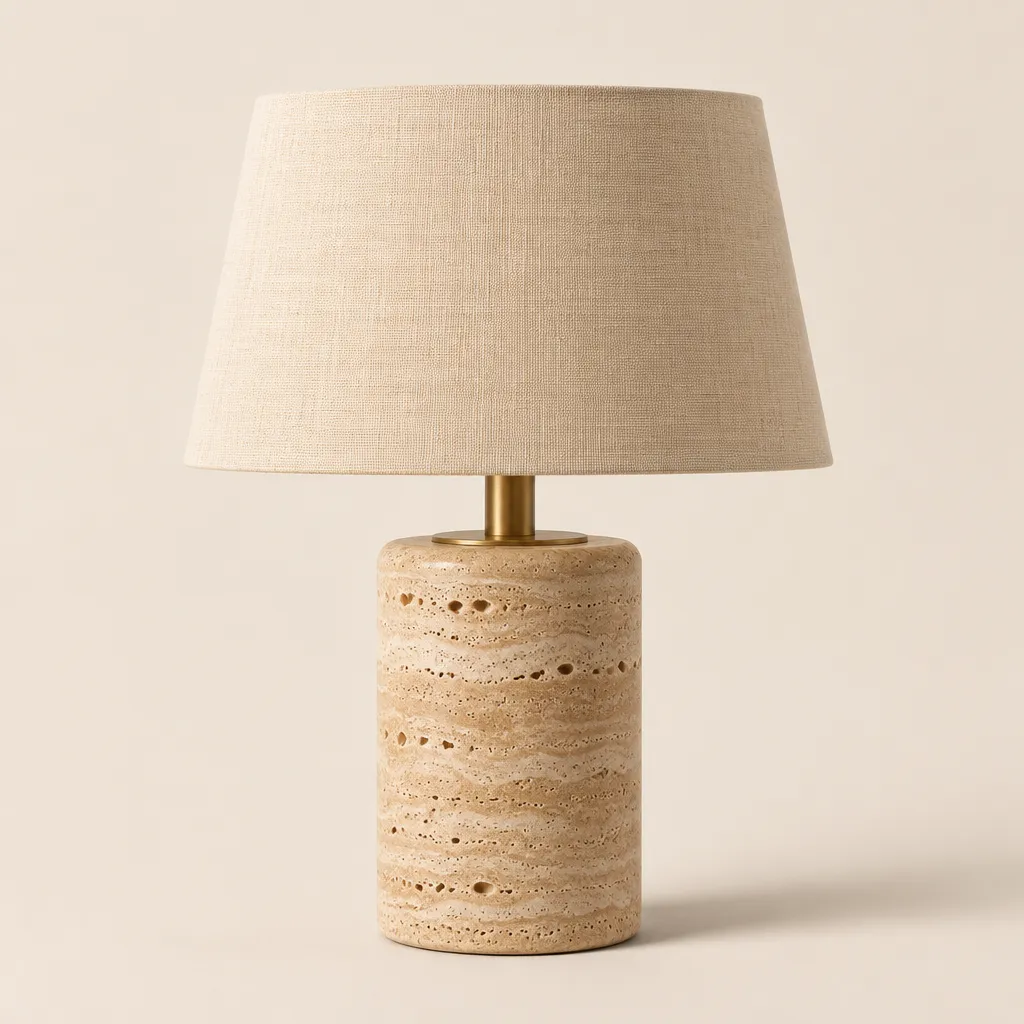
Linen
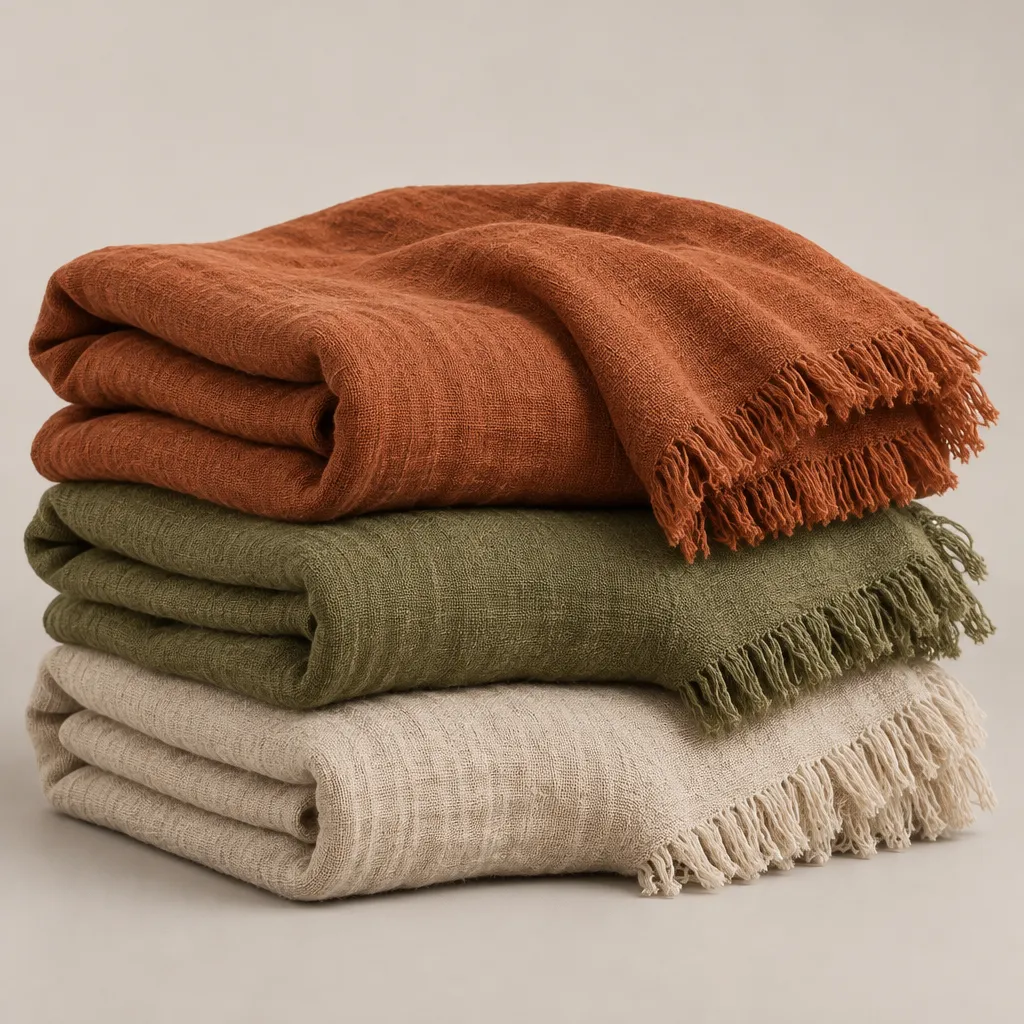
Linen, wool and bouclé: textiles made from natural fibers that get better with use.
Know the types
- 100% linen: made from flax. Breathable, crisp, wrinkles easily.
- Stonewashed: pre-softened, so it's relaxed from day one.
- Linen blends: linen mixed with cotton. Softer and wrinkles less.
Care
- Wash cool or warm on a gentle cycle.
- Skip high heat in the dryer; line or low dry.
- Embrace the wrinkles. They're the look.
Spot a fake
- "Linen-look" usually means polyester. Read the fiber content tag.
- Real linen has small slubs (thicker threads) in the weave.
- It feels cool to the touch and gets softer, not pilled, over time.
Our textile picks
Shop all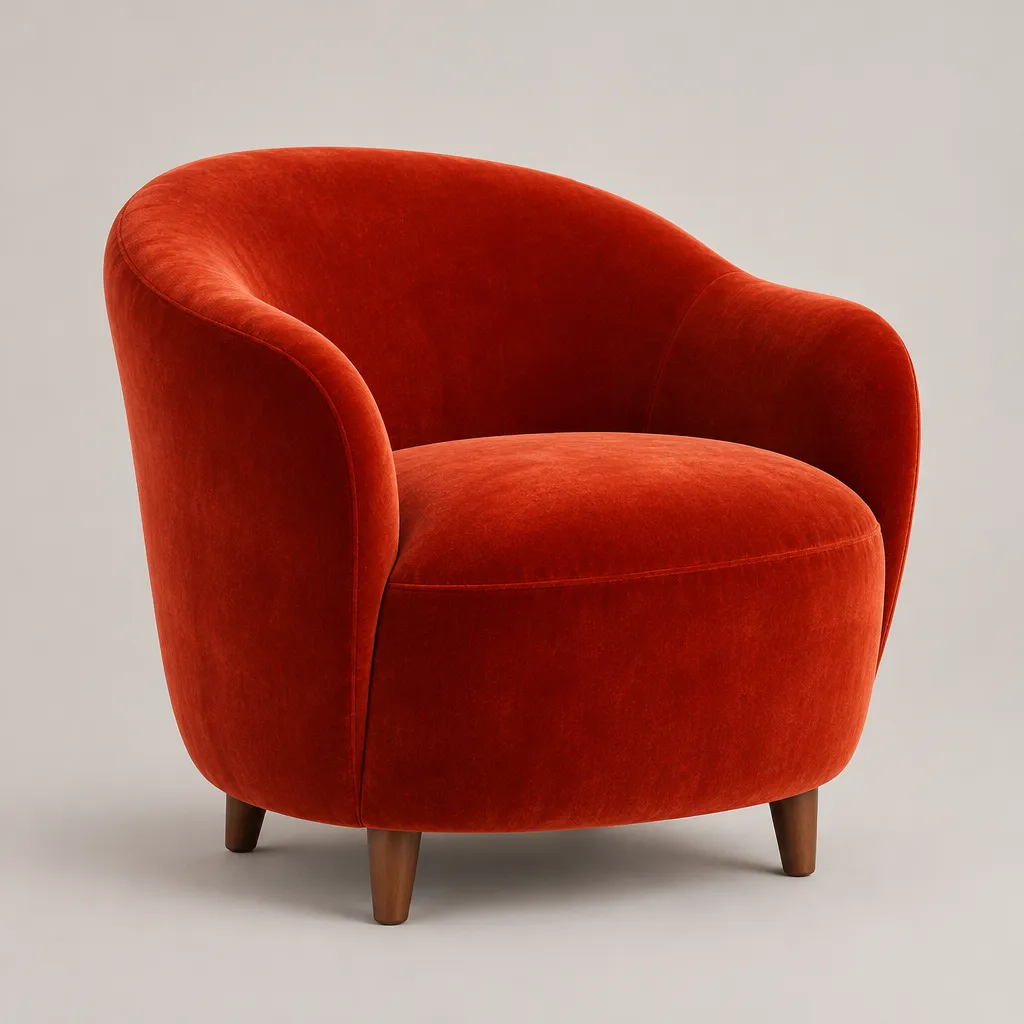
Clay
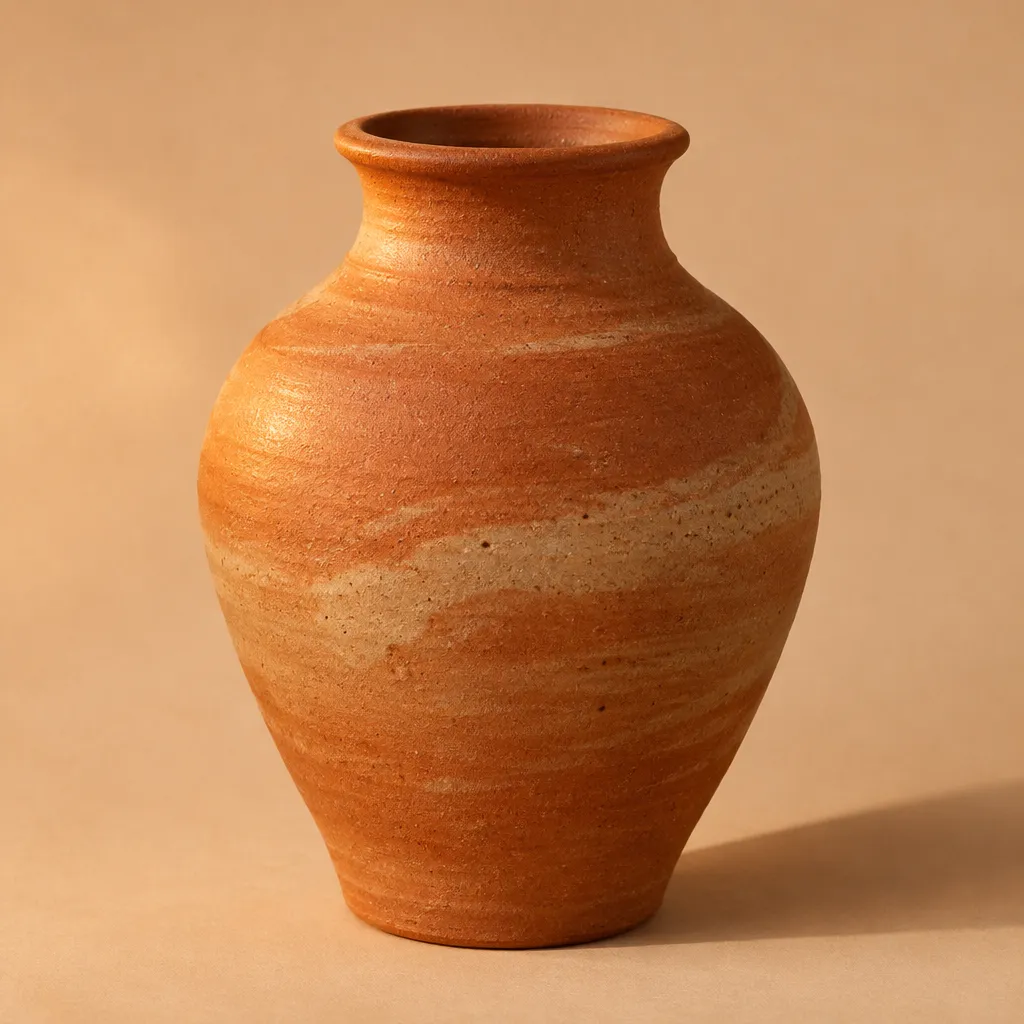
Terracotta, stoneware and plaster: earthy, handmade-looking and usually affordable.
Know the types
- Terracotta: low-fired and porous. Unglazed pieces aren't watertight.
- Stoneware: fired hotter, denser, and watertight when glazed.
- Plaster and limewash: clay-like finishes for walls and lamps.
Care
- Put a liner or saucer under unglazed terracotta with plants.
- Hand-wash glazed pieces.
- Spot-clean plaster gently; don't scrub.
Spot a fake
- Real terracotta darkens when it gets wet.
- Look for small variations in color and shape.
- Plastic and resin versions are light and perfectly uniform.
Our clay picks
Shop allMetal
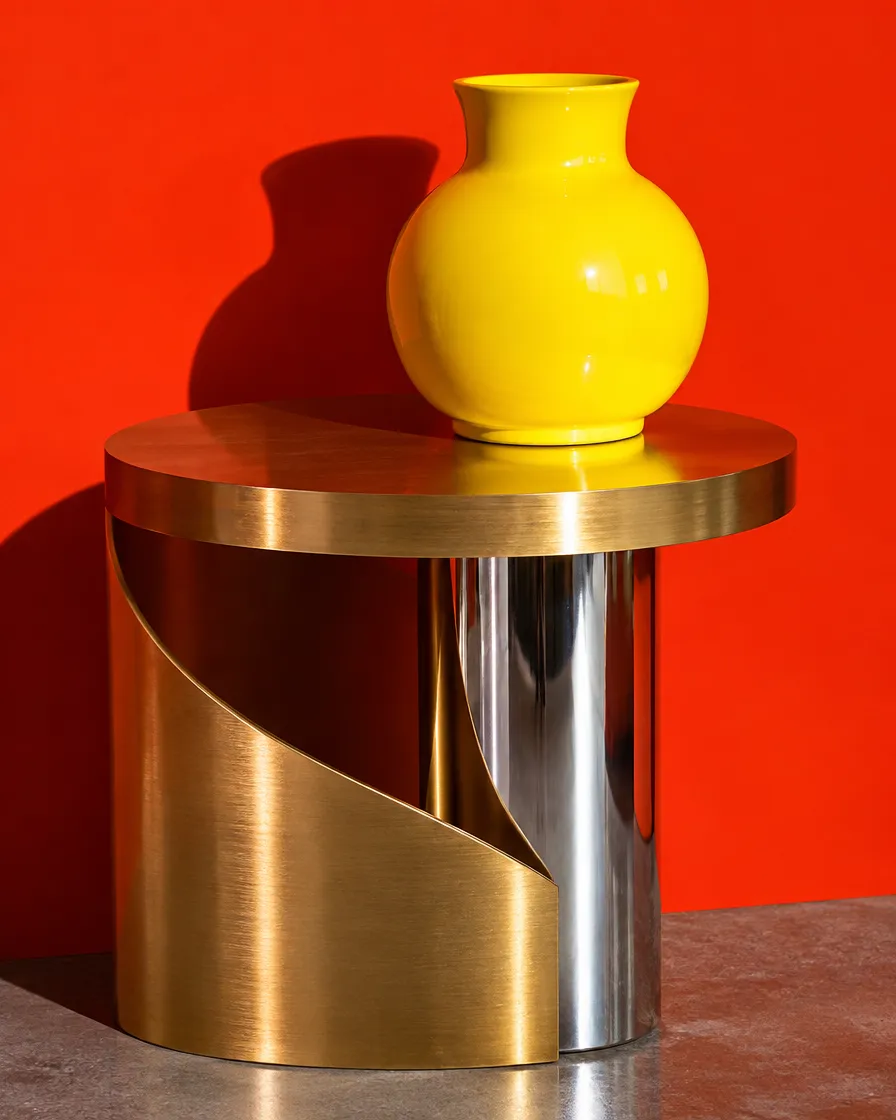
Brass, chrome and steel. The shine that keeps a soft room from feeling sleepy.
Know the types
- Solid brass: heavy and warm-toned. Unlacquered brass develops a patina over time.
- Brass-plated: a thin brass layer over steel or zinc. Cheaper, and it can wear through.
- Chrome: a bright plating, usually over steel.
Care
- Wipe with a dry, soft cloth.
- Never use abrasive pads.
- Polish unlacquered brass only if you want the shine back. Patina is a choice.
Spot a fake
- The magnet test: brass isn't magnetic, so if a magnet sticks, it's plated steel.
- Check edges and undersides for worn plating.
- Solid brass is heavy for its size.
Our metal picks
Shop all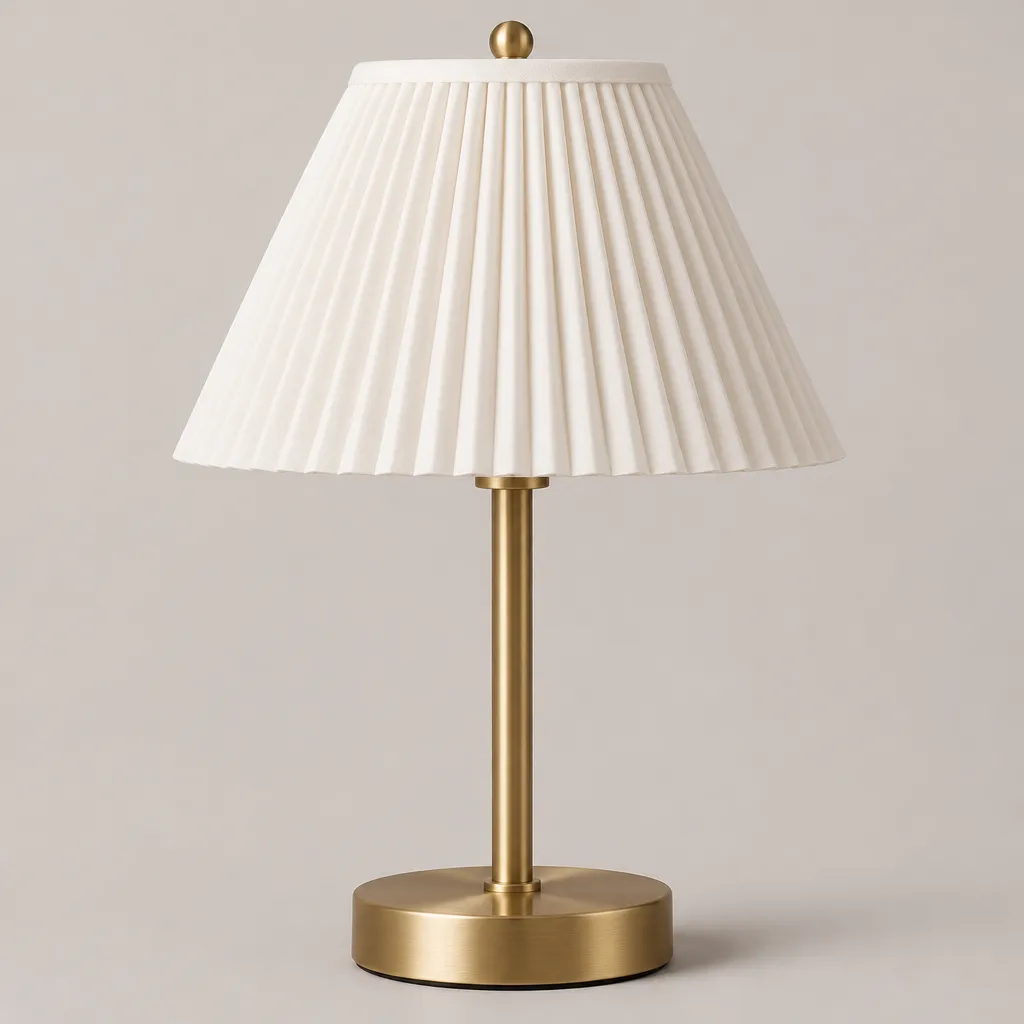
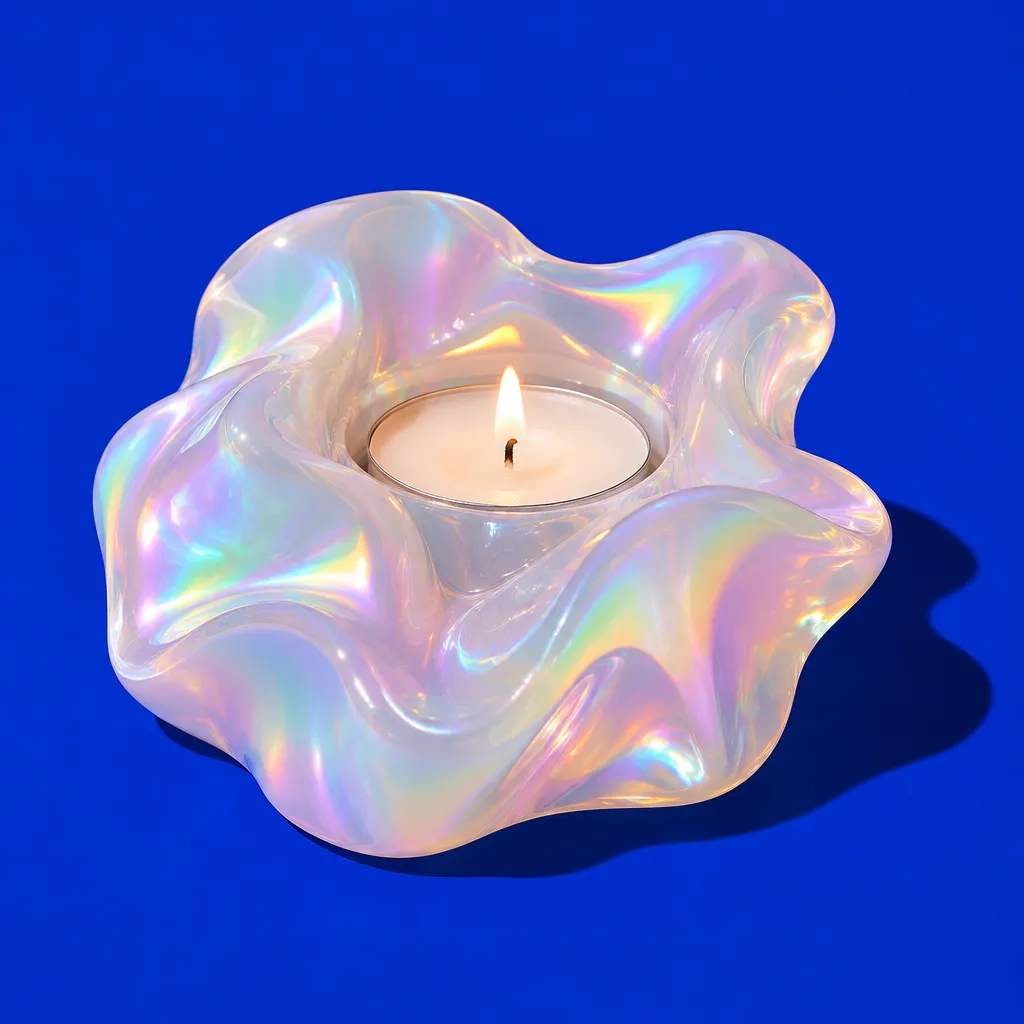
Green
Live plants, good faux ones and preserved greenery. The fastest way to make a room feel alive.
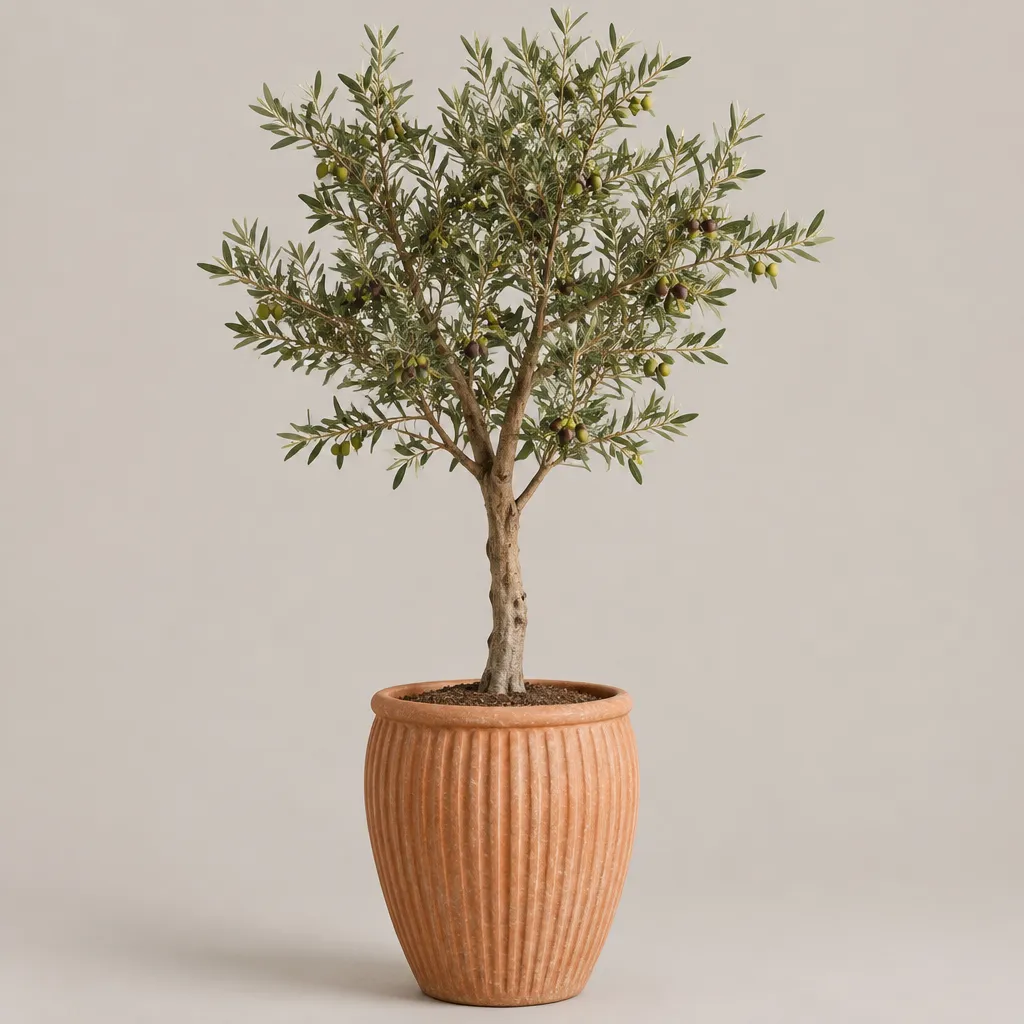
Know the types
- Live plants: pick for your light first and the look second.
- Faux: no care at all; quality varies a lot.
- Preserved: real moss or stems treated to last without water.
Care
- Live: check the soil before watering, not the calendar.
- Faux: dust monthly, and keep out of harsh sun to prevent fading.
- Preserved: no water and no direct sun.
Spot a good faux
- Real wood trunks and branches, not plastic.
- Leaves vary slightly in color and size.
- Matte leaves, not glossy plastic shine.
Our green picks
Shop allSample product picks shown while the shop is set up. Care tips are general guidance; always follow the maker's instructions for your piece.